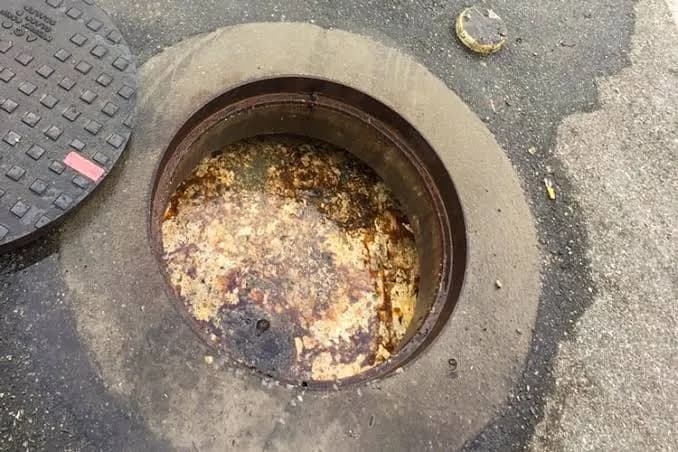
A choked sink or toilet is one of the most common household emergencies in Singapore — and one of the most avoidable. Understanding why blockages happen makes them far easier to prevent and to fix.
Why Chokes Are So Common in Singapore Homes
Singapore's high-rise living means long horizontal drain runs, multiple units sharing stacks, and limited fall in pipe gradients. Combined with our cooking habits and humidity, blockages build up faster than most people expect.
The usual culprits:
Cooking oil and grease — poured down the kitchen sink, it cools and solidifies inside the pipe.
Food particles and rice — swell with water and pack tightly into traps.
Hair and soap scum — the leading cause of bathroom floor trap and shower chokes.
Wet wipes and tissue — do not break down the way toilet paper does.
Toothpaste, sand and small debris — settle at pipe bends over time.
Tree roots — a real issue in landed properties with older underground drainage.
Warning Signs Before a Full Blockage
Most chokes announce themselves weeks in advance. Watch for:
Water draining noticeably slower than usual
Gurgling sounds from the floor trap when you use the sink
Foul odours rising from drains
Water backing up in another outlet when you use one
A toilet that needs two or three flushes to clear
Addressing these early usually means a quick, low-cost fix instead of an emergency call-out.
Safe DIY Methods You Can Try First
1. Boiling Water Flush (Kitchen Sinks Only)
Boil a full kettle and pour it slowly down the drain in two or three stages. This melts grease buildup effectively. Do not use boiling water on PVC joints repeatedly or on toilets, as it can damage seals.
2. Dish Soap and Warm Water
Add a generous squeeze of dish soap to the drain, follow with warm water, and let it sit for 10 to 15 minutes. The soap lubricates the pipe walls and helps move fatty deposits along.
3. Baking Soda and Vinegar
Pour half a cup of baking soda down the drain, add half a cup of white vinegar, cover with a plug for 10 minutes, then flush with hot water. This fizzing reaction loosens light organic buildup.
4. Plunger (The Right Way)
For a sink, seal the overflow hole with a wet cloth first, otherwise the pressure escapes. Use short, firm strokes rather than slow pushes. For toilets, ensure the plunger cup fully covers the outlet.
5. Drain Snake or Wire Hook
A simple plastic drain snake can pull out hair clogs from bathroom floor traps. Remove the trap cover, feed the snake in, twist and pull slowly.
6. Remove and Clean the P-Trap
If you are comfortable with basic plumbing, place a bucket under the sink, unscrew the P-trap, clean it out and re-seal it properly. This alone resolves the majority of kitchen sink chokes.
What You Should NEVER Do
Do not pour chemical drain cleaner into a fully blocked drain. It sits on top of the blockage, can corrode pipes, and creates a hazardous splash risk.
Do not mix different chemical cleaners. This can produce toxic fumes.
Do not keep flushing a blocked toilet. You risk an overflow that damages flooring and the unit below.
Do not use a metal rod aggressively. You can puncture a pipe and turn a $200 job into a $2,000 repair.
Do not ignore a recurring choke. Repeated blockages usually signal a deeper problem in the main line.
When You Should Call a Plumber
Pick up the phone and call a professional if:
Multiple outlets are backing up at the same time (a sign of a main line blockage)
Wastewater is rising into the shower or floor trap when you flush
There is a sewage smell that will not go away
You have already tried plunging and hot water with no improvement
The choke returns within a few days
The blockage is in a concealed pipe or below the floor
Professional plumbers use high-pressure jetting and mechanical augers that clear the full pipe diameter, not just a small hole through the blockage. That is why a proper clearance lasts far longer than a DIY attempt.
How Professional Choke Clearing Works
Inspection: Locating the blockage and identifying whether it is local or in the main line.
Mechanical augering: A rotating cable breaks through the obstruction.
High-pressure jetting: Water jets at high pressure scour the pipe walls clean.
CCTV inspection: Used for recurring chokes to check for cracks, root intrusion or pipe collapse.
Testing: Running full flow to confirm complete clearance.
Prevention Tips That Actually Work
Wipe oily pans with kitchen paper before washing
Install a sink strainer and empty it daily
Never pour cooking oil, coffee grounds or rice down the sink
Use a hair catcher in every shower and bathroom drain
Flush kitchen drains weekly with hot water and dish soap
Only flush human waste and toilet paper — nothing else
Have drains in older homes inspected every 12 to 18 months
Frequently Asked Questions
Can I use Drano or similar products in Singapore?
Chemical cleaners are available but are generally not recommended for fully blocked drains. They are ineffective against solid blockages, can damage older pipes, and pose a safety risk. Mechanical methods are safer and more effective.
Why does my choke keep coming back?
Recurring chokes almost always indicate a partially blocked main line, a sagging pipe section, or root intrusion. A CCTV drain inspection will identify the real cause.
How much does choke clearing cost in Singapore?
Most residential chokes are cleared for between $100 and $280. Main line blockages requiring jetting may cost more.
Is a choked drain an emergency?
If only one fixture is affected and water still drains slowly, it can wait until morning. If wastewater is backing up into your home or you cannot use your toilet at all, treat it as an emergency.
Can a choke in my unit affect my neighbour?
Yes. In shared stacks, a blockage in a common pipe can cause backflow into neighbouring units. This is one reason to resolve chokes quickly rather than waiting.
Need a Choke Cleared in Singapore Today?
Asia Engineering & Construction Pte Ltd provides 24/7 choke clearing and plumbing services islandwide.
📞 Mobile / WhatsApp: +65 9812 5706
✉️ Email: asiahandyman@gmail.com
📍 Address: 7A Jalan Papan, Singapore 619408
🕐 Opening Hours: 24 Hours / 7 Days